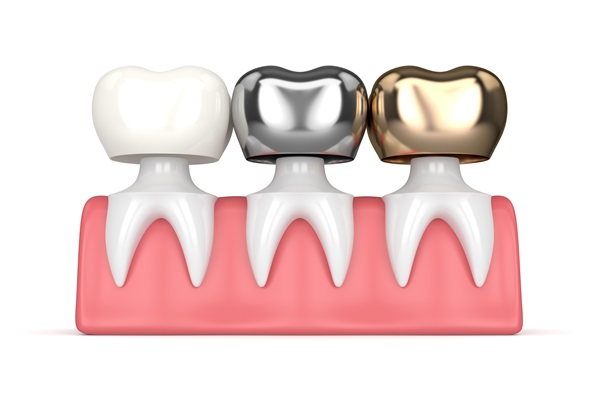
Dental crowns are a convenient and highly effective restoration solution when decay compromises natural teeth or a beautiful smile. Although these thin tooth caps are durable and can withstand the same exposure to everyday stresses of chewing and biting as natural teeth, proper care and maintenance can ensure that crowns last as long as possible.
What are dental crowns?
A crown is a prosthetic sleeve that a dentist secures over a natural tooth or implant using cement or a bonding adhesive. Crowns typically consist of metal, ceramic, porcelain, or a combination of metal and resin. Dentists may recommend crowns to support teeth with large fillings, repair and prevent fractures of natural teeth, hold bridges in place, cover misshapen and discolored teeth, and cover implant abutments. The first step toward installing a crown requires a dentist to prepare a natural tooth by removing decay and the tooth's outer layer to ensure a proper fit.
Good candidates for the procedure
Dental crowns are often recommended when a tooth has become seriously weakened or damaged from an injury or severe tooth decay. A dentist may perform the treatment on a patient who has:
- Chipped teeth
- Cracked teeth
- Teeth that are broken or crumbling
- Teeth that are structurally compromised from multiple fillings or cavities
To have a dental crown placed, the root must be healthy and there should be enough viable tooth structure above the gum line to support the new covering. Patients who have an infection in the soft dental tissues or who have very little natural tooth material left may need to seek alternative treatment options.
Technically, crowns can be placed on any tooth, but they are usually reserved for teeth towards the back of the mouth, particularly premolars and molars. People who have serious damage to the incisors or canines may want to opt for dental veneers or implants instead. Also, patients should generally be in good health and should not smoke, as this can discolor the crown and lead to continued oral health complications.
Do crowns require special care?
With proper care, dental crowns can potentially last decades. Dentists recommend these four tips to ensure that patients protect these prosthetics and the natural teeth beneath and around them.
1. Brush and floss twice daily
Unlike natural teeth, crowns are not susceptible to decay; however, plaque and bacteria that accumulate where a crown meets the gumline can reach the underlying natural tooth or spread to the jawbone and adjacent teeth. Brushing and flossing twice per day can remove plaque before it hardens, reducing the incidence of gum disease and tooth decay. In addition, dentists may recommend using non-abrasive toothpaste to avoid scratching crowns consisting of ceramic and porcelain and flossing carefully to avoid dislodging them.
2. Avoid sticky and hard foods
Dental patients can avoid the expense and inconvenience of replacing crowns by avoiding certain foods that can damage them. For example, candy, including toffee and caramel, can cling to crown material and dislodge it during chewing. Also, biting and chewing on hard candy, nuts, or bread can lead to cracks that allow bacteria to penetrate the underlying tooth and tissue. Therefore, eliminating certain foods that can damage dental crowns can positively impact oral health
3. Wear a nightguard
During sleep, bruxism, or tooth grinding and clenching, may cause significant pressure that compromises crowns and underlying teeth. Dentists who detect signs of this condition advise patients to wear a nightguard to absorb the excessive force on the teeth and jaw and avoid crown damage and bacterial infection that often accompanies it.
4. Schedule routine cleanings
Dentists instruct patients with crowns to schedule appointments for cleanings and checkups every six months. Professional cleanings are essential for removing stubborn tartar between the crown's edge and the gum line before it leads to gum disease. Regular dental visits also allow a dentist to check for changes to a crown's fit and apply necessary corrections before complications arise.
Conclusion
Dental crowns are a proven and routine treatment that dentists apply to restore oral function or create an attractive smile. The procedure can strengthen the natural tooth and prevent tooth loss while repairing damage from a traumatic injury or serious decay. With proper maintenance and care, patients can expect a crown's protective and smile-enhancing benefits to last for many years. Seeing a dentist twice a year is also important in improving the longevity of this dental work.
Request an appointment here: https://www.oakbrookdentist.com or call Metcalf Dental at (630) 203-9779 for an appointment in our Oak Brook office.
Check out what others are saying about our dental services on Yelp: Dental Crowns in Oak Brook, IL.
Related Posts
A dental crown is a restoration option designed to cover a weak or damaged tooth, restoring its function and appearance. The crown protects the tooth from further damage and prevents the need for extraction. Different types of dental crowns are available, each custom-made to fit over the tooth and blend in with the rest of…
How long dental crowns last depends on how well you take care of them. A crown is expected to last about 15 years, but with the proper care, it could last twice as long. If a crown eventually does wear out, you need to have a replacement because the tooth underneath has been permanently altered.…
When teeth are severely decayed or damaged, dental crowns may be able to restore them so they do not have to be extracted. Dentists prefer to leave natural teeth in the mouth whenever possible. A crown is a cap placed over a damaged tooth, restoring its original function, appearance, and strength.Placing a crown traditionally requires…
Preparing for a dental crown procedure? This restoration works to make unhealthy teeth strong again and improve your overall oral health. There are various reasons one may need to have a dental crown placed, including repairing a cracked or chipped tooth, covering stains and imperfections, or treating a cavity that has caused the tooth to…