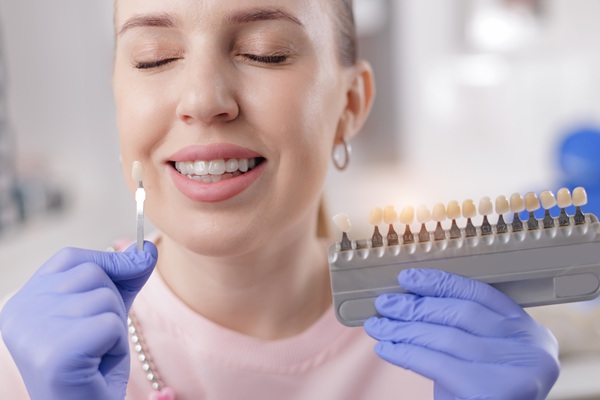
Dental veneers are a popular cosmetic solution for people looking to improve their smile, but not every person is an ideal candidate. Before moving forward with dental veneers, it helps to understand the procedure, maintenance, and potential results. Asking the right questions not only helps make the process go smoothly, but also helps patients become partners with the dentist in their own cosmetic treatment plan. Below are six questions to consider bringing up during a consultation.
The importance of a dental veneer consultation
When wanting to improve their smile, most patients take stock of the things they do not like about their smile and settle on a solution without considering all that goes into the procedure. That is why it is important to consult a general dentist—a licensed dental professional trained in all aspects of oral health and aesthetics. With proper planning, professional guidance, and a clear understanding of the process, patients can move forward with confidence.
6 Questions to consider asking during a consultation
1. What issues do dental veneers address?
Dental veneers are thin, custom-made shells designed to replace the front surfaces of the teeth. They can help conceal a range of cosmetic concerns, including uneven tooth shape, small chips, discoloration, and minor misalignment. However, dental veneers do not solve every problem. General dentists apply them to healthy teeth with no major structural damage or infection. Therefore, those with advanced decay, gum disease, or heavy grinding habits will need to address those issues first.
2. Are there different types of dental veneers?
There are two main types of dental veneers: porcelain and composite resin. Porcelain veneers offer durability, stain resistance, and a natural appearance. Composite veneers tend to be more affordable and require less enamel removal, but may not last as long. Discussing the pros and cons of each material with the dentist can help determine which option best suits the patient's needs, budget, and cosmetic goals.
3. Will dental veneers affect the way teeth feel or function?
Dental veneers can look and feel like natural teeth. Once in place, they should not affect chewing or speaking. However, there may be a brief adjustment period during which the patient becomes used to the new size or texture of their smile. Considering veneers only cover the front surface, the natural tooth remains underneath. While mild misalignment is usually okay, dentists prefer patients to have proper bite alignment to avoid pressure points that could lead to cracks or wear.
4. What is the process for getting dental veneers?
The process for dental veneers generally takes multiple appointments. The first visit involves an evaluation and possibly digital scans or impressions. Then, the dentist prepares the teeth by gently reshaping the enamel, making space for the veneer to fit naturally. They may place temporary veneers while an off-site dental lab fabricates the final ones. Once ready, the dentist bonds the permanent veneers to the teeth using a strong adhesive and cures them with light technology for a secure hold. Each step requires careful planning to ensure comfort and long-lasting results. It is best to ask this question during the consultation to receive a tentative schedule for better planning.
5. Are dental veneers reversible or permanent?
Considering that placing dental veneers requires the removal of a small amount of tooth enamel, the procedure is considered irreversible. Once the dentist removes the enamel, the natural tooth cannot be left exposed. If a dental veneer chips, discolors, or wears down over time, it must be replaced. Some newer ultra-thin veneer systems may allow for minimal or no enamel removal, but those options are only suitable for specific cases. Understanding the long-term commitment involved can help patients prepare for the maintenance and potential replacement needs in the future.
6. How long do dental veneers typically last?
The longevity of dental veneers depends on the material used and how well they are cared for. Porcelain veneers can last 10 to 15 years or longer with good oral hygiene and regular dental visits. Composite veneers may last between five and seven years.
Regardless, patients can shorten the lifespan of dental veneers by engaging in habits such as chewing on ice, biting nails, or grinding teeth. Further, most dentists recommend using a nightguard if clenching or grinding is present. Consistent brushing, flossing, and professional cleanings are also essential to protect the surrounding teeth and gums.
Schedule a consultation
Asking the right questions before getting dental veneers ensures that the final results meet both functional and cosmetic expectations. Veneers can enhance the appearance of a smile, but they are not a one-size-fits-all solution. Have you scheduled your consultation? We understand that you may have more questions than those displayed above. Contact our office to schedule a consultation, ask as many questions as you would like, and build your cosmetic treatment plan.
Request an appointment here: https://www.oakbrookdentist.com or call Metcalf Dental at (630) 203-9779 for an appointment in our Oak Brook office.
Check out what others are saying about our dental services on Yelp: Dental Veneers in Oak Brook, IL.
Related Posts
Dental veneers are a popular option for those who want a brighter, more uniform smile. A general dentist can help ensure that this cosmetic service is a good fit for your dental health and bite. While these thin shells can completely transform your appearance, their success depends on the quality of your existing enamel and…
Dental veneers and dental crowns are restorations that can change the appearance of your teeth. Though they are different procedures, people often confuse the two. This article will review the key differences between crowns and veneers to help you better understand which procedure is right for you.A dental veneer is a thin covering for a…
Dental veneers are a well know cosmetic dentistry treatment people turn to for achieving that “movie star” smile. With just this one treatment, dentists can address a number of common cosmetic dental problems. This fact makes dental veneers one of the most popular cosmetic treatments on the market.Veneers are custom-made and tooth-colored shells that cover…
Dental veneers are porcelain or composite resin shells that fit over the front of the teeth, correcting cosmetic imperfections. Their average lifespan is about ten years. However, taking care of veneers from the start can help them last up to 20 years. This article will discuss what to expect after getting veneers and provide aftercare…