Dental veneers and dental crowns are restorations that can change the appearance of your teeth. Though they are different procedures, people often confuse the two. This article will review the key differences between crowns and veneers to help you better understand which procedure is right for you.
What are Dental Veneers?
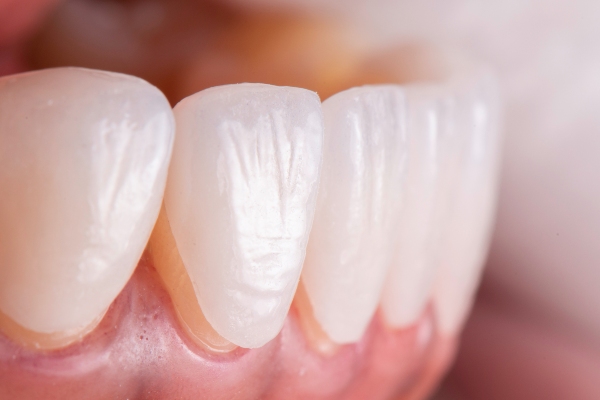
A dental veneer is a thin covering for a tooth made from porcelain or composite resin. Veneers are a cosmetic procedure because they can correct teeth' discoloration, shape, size, and spacing and hide general wear and tear. They can also cover small chips or cracks in natural teeth.
Porcelain is the most common material dentists use for veneers and other cosmetic restorations because it is durable, stain resistant, and provides a natural finish, especially for small jobs that will leave a noticeable impact.
What are Dental Crowns?
A dental crown (also called a cap) consists of gold, ceramic, metal (the strongest), porcelain, or zirconia materials and rests on top of the patient's healthy natural tooth. The dentist uses them for exposed tooth roots, to protect damaged teeth, and to restore damaged chips and breaks. In some cases, dental crowns also prevent the teeth from shifting and bone loss.
Additionally, often the dentist will recommend a dental crown after a procedure that requires the removal of tooth decay, such as a root canal. Usually, after a root canal, a dental filling is not enough to repair and reinforce the natural tooth. Therefore, the dentist will bond a dental crown directly onto the remaining portion of the natural tooth to restore the tooth's form and chewing function.
The Key Differences
Though dental veneers and crowns appear similar, they serve different purposes. Dental veneers do not correct anything more than the appearance of a smile. This means if a patient's teeth are discolored, misshaped, have cracks, or are of different sizes, the veneers will simply cover the issues with thin shells that are bonded to the surface of the teeth to provide a more even and natural-looking aesthetic. Therefore, if the patient is experiencing any adverse oral health conditions, such as a broken tooth, gum disease, or decay, it must be corrected before the veneer installation.
Dental crowns restore lost tooth structure with an artificial one that fits over the entire tooth and sometimes part of the surrounding bone. Dental crowns are generally thicker than veneers, requiring less maintenance over time. However, dental crowns are also better for correcting one or two teeth, while veneers enhance the entire smile for aesthetic reasons. In addition, dental crowns are not meant to brighten a patient's smile, like veneers. If the patient chooses a tooth-colored material, the dentist will match the material as close as possible to the patient's natural teeth. Therefore if the patient wants their teeth to be brightened, they must undergo a teeth whitening procedure beforehand.
Discover Your Option Today
We hope this information has been beneficial. Whether you are looking for a complete smile transformation with dental veneers or to restore a portion of your smile with dental crowns, we can help. Contact our Oak Brook office today to discover which option is more effective for your condition.
Request an appointment or call Metcalf Dental at 630-203-9779 for an appointment in our Oak Brook office.
Related Posts
Dental veneers are a well know cosmetic dentistry treatment people turn to for achieving that “movie star” smile. With just this one treatment, dentists can address a number of common cosmetic dental problems. This fact makes dental veneers one of the most popular cosmetic treatments on the market.Veneers are custom-made and tooth-colored shells that cover…
Dental veneers are porcelain or composite resin shells that fit over the front of the teeth, correcting cosmetic imperfections. Their average lifespan is about ten years. However, taking care of veneers from the start can help them last up to 20 years. This article will discuss what to expect after getting veneers and provide aftercare…
Dental veneers are quick dental restorations that can renew your smile. Each shell can add another layer of protection to every tooth. Knowing the steps of getting these restorations can help you prepare for your appointments. Here are the details of the process of getting dental veneers.The dentist will decide if the patient is a…